
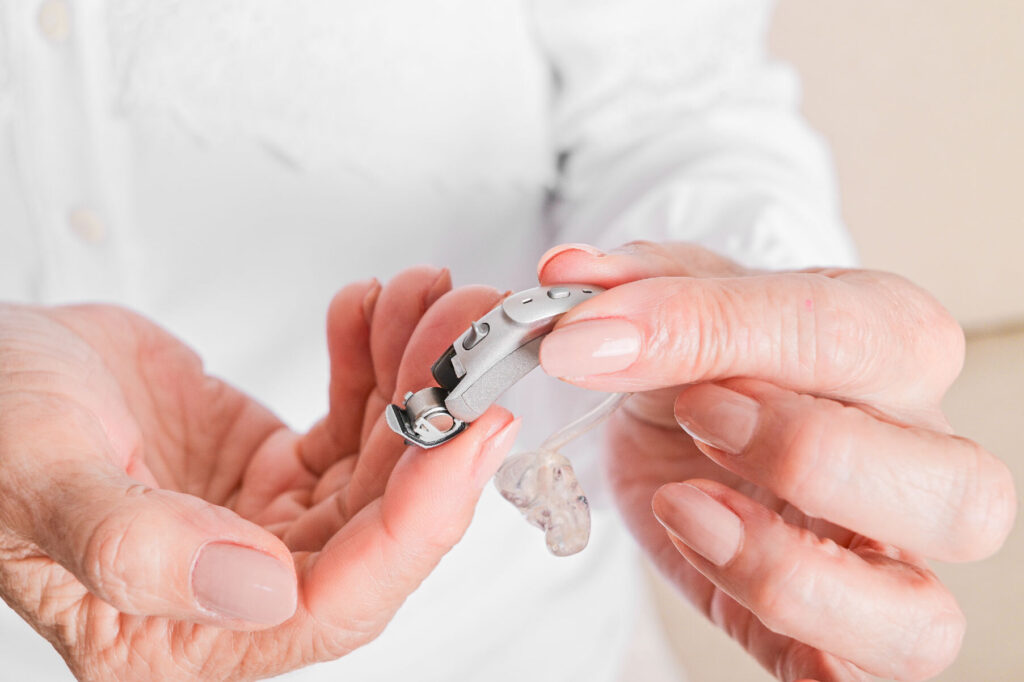
Hearing aid batteries may be small; however, they play a very important role in keeping your hearing aids powered throughout the day, helping you hear conversations, phone calls, television, music, and everyday sounds more clearly. Many hearing aid users find buying batteries simpler once they know the correct size, but if you are new to hearing aids, shopping for a family member, or switching from one model to another, the options can feel confusing at first. You might see different numbers, colors, battery types and brand choices, all for a product that looks tiny in your hand.
This blog explains hearing aid batteries simply. We will cover the main battery types, common sizes, color codes, expected battery life, storage tips, and how to choose the right batteries for your hearing aids.
What are hearing aid batteries?
They power the technology inside your hearing aids, helping the device pick up, process, amplify, and deliver sound to your ear. The modern hearing aids today do more than make sound louder; models today also support background noise management, directional microphones, Bluetooth streaming, app controls, tinnitus support, and wireless accessories; all these features need power.
This is why choosing the right hearing aid battery matters, and a good battery in the correct size helps your hearing aid work smoothly and consistently throughout the day. Overall, there are two main types of hearing aid battery options: disposable and rechargeable.
Disposable hearing aid batteries
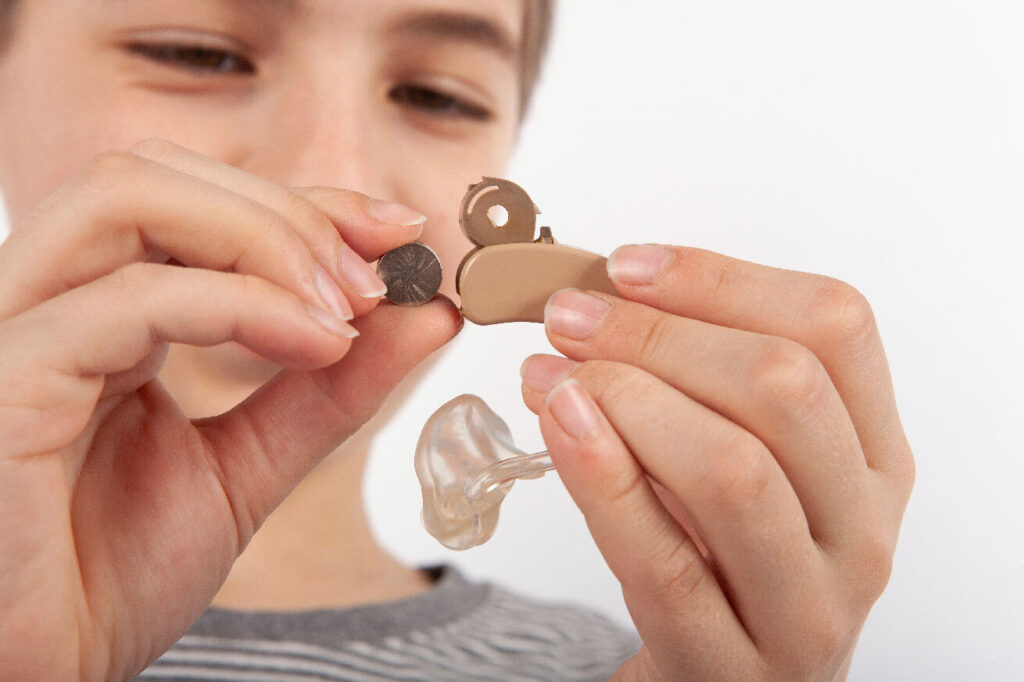
Many hearing aids use disposable zinc-air batteries; these are small, lightweight, and easy to carry. They are usually sold in packs, with each battery covered by a small sticker tab. The zinc-air batteries work using air. When you remove the sticker tab, air enters the battery, activating it. This is why you should only remove the tab when you are ready to use the battery and not before.
A helpful tip is to remove the tab and wait about a minute or two before placing it into your hearing aid, which gives battery time to activate properly and may help improve performance. The disposable batteries are common in many behind-the-ear (BTE), receiver-in-canal (RIC), in-the-ear (ITE), and completely-in-canal (CIC) hearing aids.
Rechargeable hearing aid batteries
Many new hearing aids are designed with built-in rechargeable batteries. Instead of replacing the battery yourself, you place the hearing aids in a compatible charger when they need to be powered up. The rechargeable hearing aids are popular because they are convenient and reduce the need to buy and handle small batteries regularly. The hearing aids with rechargeable batteries are popular because they are convenient. They also reduce the need to buy and handle small batteries regularly, which can be especially helpful for users with dexterity issues, poor eyesight, or busy daily routines.
However, a rechargeable hearing aid still needs proper care; it must be charged correctly with the right charger and always kept clean. Over time, the built-in rechargeable batteries may also need professional replacement or servicing.
What size hearing battery do I need?
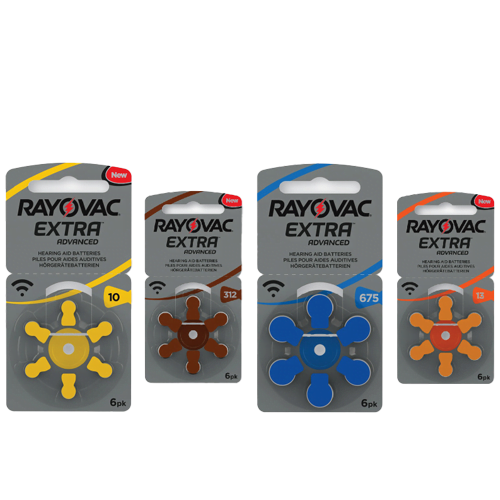
The disposable hearing aid batteries usually come in four common sizes, which are 10, 312, 13, and 675. Each size has its own color code, making it easier to identify the right battery quickly, especially because hearing aid batteries are small and can look similar at first glance.
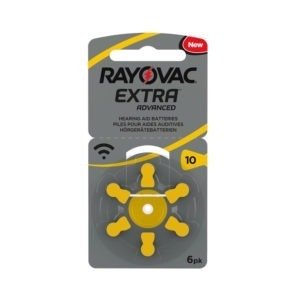
Size 10 hearing aid batteries - Yellow
These are among the smallest hearing aid batteries; they are often used in smaller in-the-ear and completely-in-canal hearing aids. Because they are small, they usually have a shorter battery life than larger sizes. They are a good fit for discreet hearing aids where compact design is important.
Size 312 hearing aid batteries - Brown
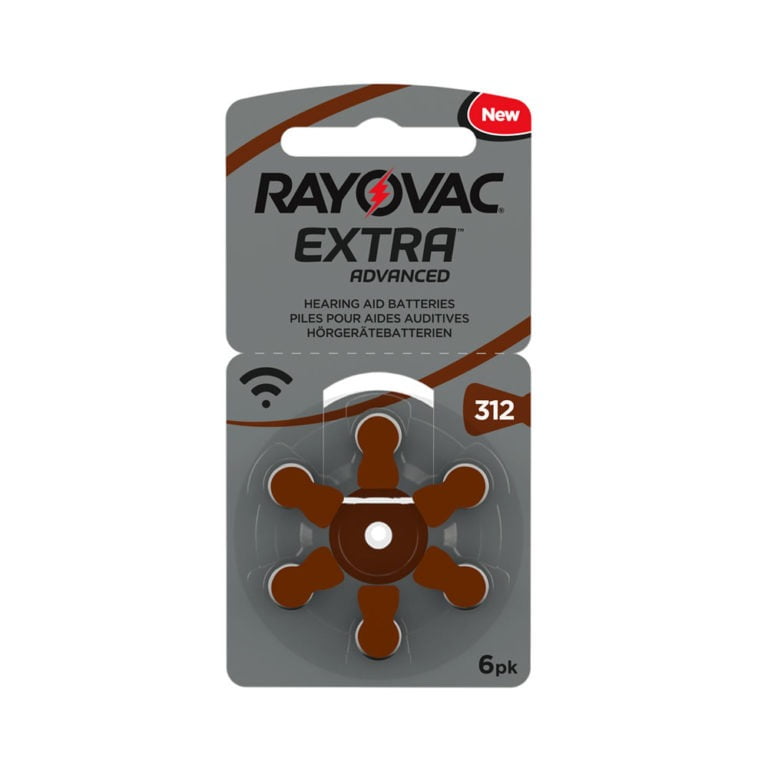
These batteries are popular sizes because they offer a balance between small size and practical battery life. Many modern hearing aids use size 312 batteries, especially discreet models with advanced features.
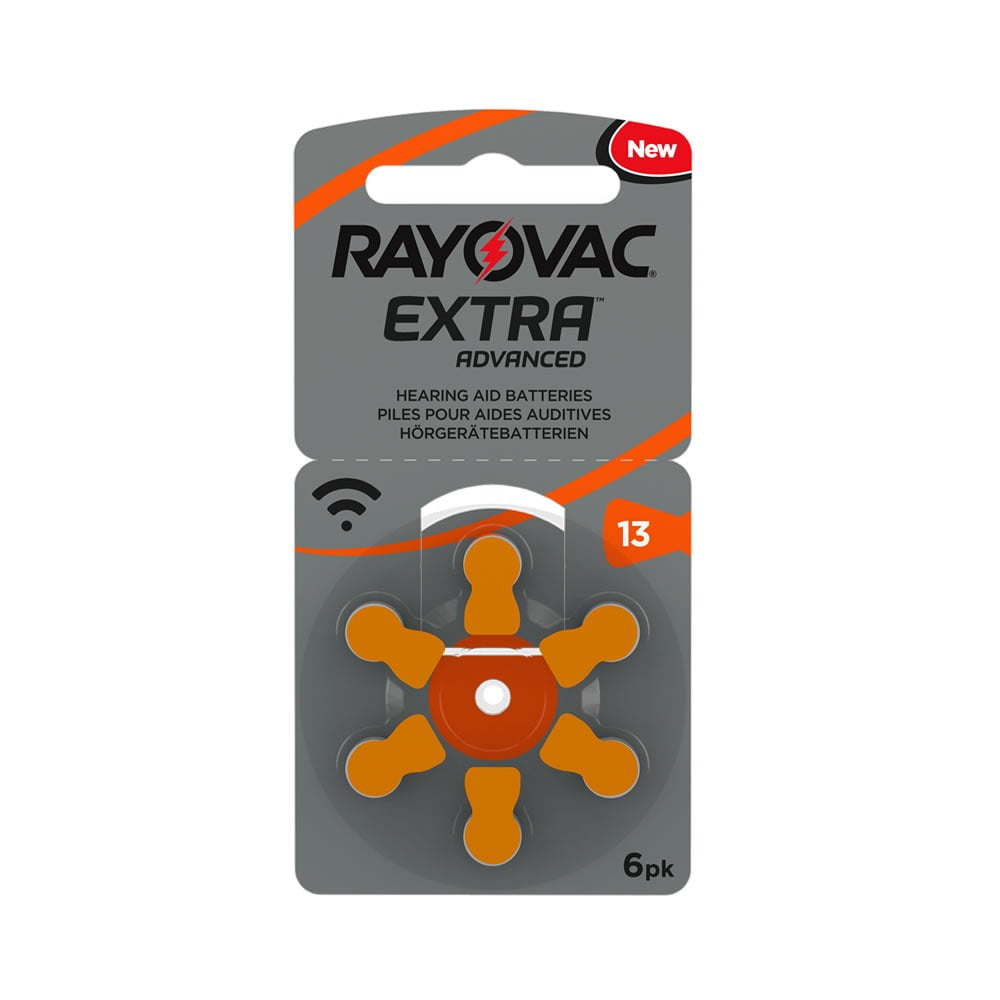
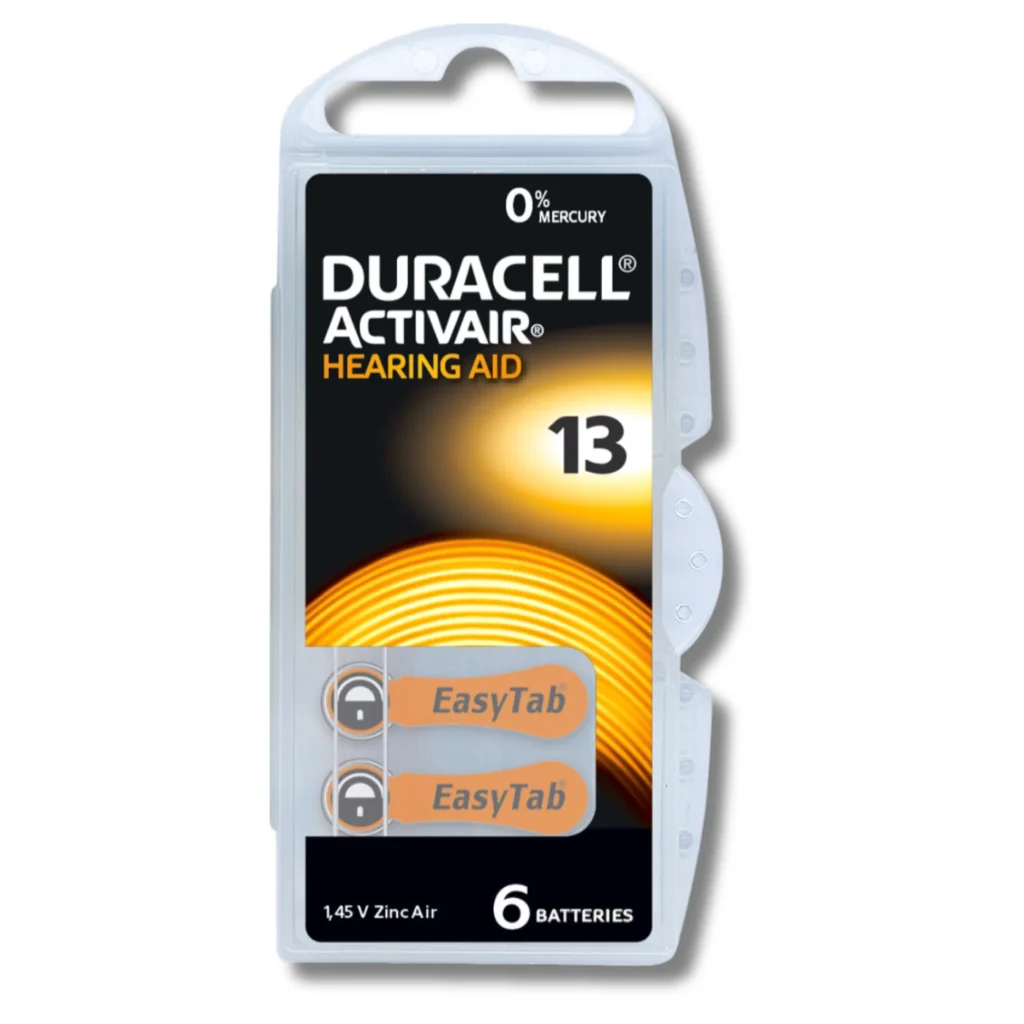
Size 13 hearing aid batteries - Orange
This battery is larger than size 10 and 312 because they are commonly used in receiver-in-canal and mini behind-the-ear hearing aids. As these are larger, they usually last longer than the smaller batteries and are often used in hearing aids that need more power or support more daily use.
Size 675 hearing aid batteries - Blue
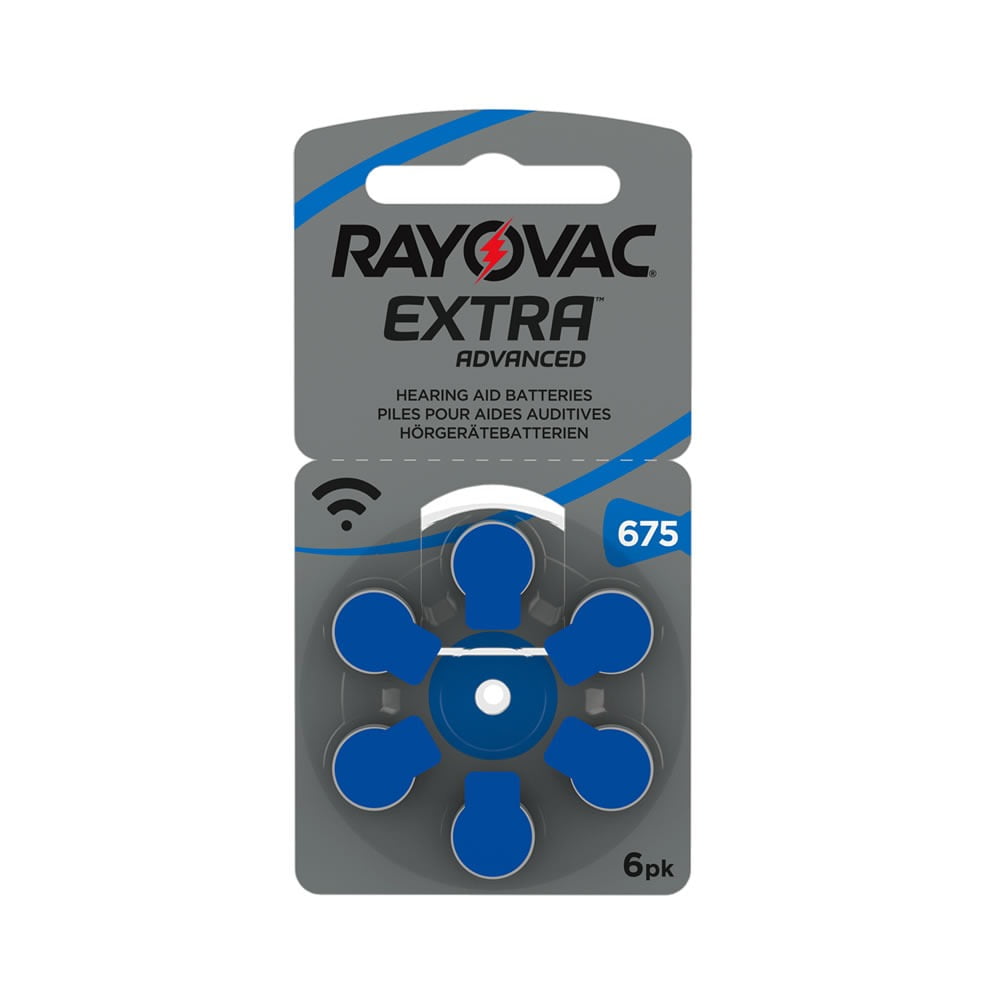
These batteries are the largest of the common hearing aid battery sizes; they are often used in powerful behind-the-ear hearing aids. These are designed for devices that need more power, including some hearing aids for severe to profound hearing loss. They usually offer longer battery life because of their larger size.
What does the hearing aid battery color mean?
Hearing aid battery color helps you identify the correct size quickly; it has been noticed that color code is one of the easiest ways to avoid buying the wrong hearing aid batteries. If you are replacing batteries, you already use, check the color tab on the old packaging before you place your order. However, color should not just be the only thing you check. We advise you to confirm the battery size in your hearing aid manual, old battery pack, or hearing care provider.
Yellow color means size 10
Brown color means size 312
Orange color means size 13
Blue color means size 675
How long do hearing aid batteries last?
The battery life depends on several factors, including the hearing aid model, battery size, daily wearing time, listening environments, volume settings, and wireless features. As a general guide, let’s say
- Size 10 batteries may last around 3-7 days
- Size 312 batteries may last around 3-10 days
- Size 13 batteries may last around 6-14 days
- Size 675 batteries may last around 9-20 days
Please note: These are only estimates, and your actual battery life may be shorter or longer depending on all factors.
Let’s say someone who wears hearing aids for 14 hours a day and streams phone calls or television audio may use battery power faster than someone who wears hearing aids for fewer hours with fewer wireless features.
Why do hearing aid batteries run out faster sometimes?
It all depends on various reasons. If your hearing aid batteries seem to run out quickly, it could be because:
- Bluetooth streaming – If you are streaming audio from your phone, tablet or TV, then your batteries may drain faster since these devices use more power.
- Long daily wear time – The more hours you are wearing your aids, the more power they use. As someone who wears hearing aids from morning until bedtime, you will need to replace batteries more often than someone who wears them for shorter durations.
- Noisy environments – Hearing aids often work harder in busy places such as restaurants, stores, workplaces, and family gatherings. When you have a hearing aid with noise management features, the device can use more battery power.
- Higher volume settings – If you set your hearing aids to higher volume or need more amplification, your device may require more power, resulting in shorter battery life.
- Wireless accessories – Hearing aids connect to remote microphones, TV streamers, apps and such other accessories and these features, even though they are useful, can affect battery life.
- Moisture and temperature – Heat, cold, and moisture can affect battery performance. Storing batteries in a damp bathroom, a hot car, or a very cold area may reduce their performance.
- Leaving the battery door closed overnight – When you use disposable battery hearing aids, the battery door must be left open overnight, as it helps to reduce unnecessary drain, and it also allows the stuck moisture from inside the hearing aids to escape.
How to make hearing aid batteries last longer
When you adapt to these few simple habits, it can help you get better performance from your hearing aid batteries.
- Keep the sticker tab on until use – Do not remove the sticker tab until you are ready to place the battery into your hearing aid. Once the tab is removed, the battery begins to activate.
- Let the battery breathe before use – After you remove the tab, wait a minute or two before inserting the battery into your hearing aids. Once the tab is removed, the battery begins to activate.
- Store batteries at room temperature – Keep hearing aid batteries in a cool, dry place at room temperature. You must avoid storing them in bathrooms, near windows, inside cars, or anywhere with high heat or moisture.
- Open the battery door at night – Switch your hearing aids off and open the battery door when you are not wearing them; this helps preserve power and allows air to circulate.
- Wash and dry your hands – Moisture, oil, or dirt can affect the battery contact points of hearing aids, so you must always handle them with clean, dry hands.
- Avoid carrying loose batteries with metal items – Do not carry loose batteries in a pocket, purse, or bag with coins, keys or any metal objects. You must keep them in their original packaging or a protective case.
How to know when your hearing aid battery needs replacing
Hearing aids will give you a low battery warning, and it may sound like a beep, tone, indicator alert or app notification; this depends on your hearing aid model. Other signs may include sounds becoming weak, sounds cutting in and out, the hearing aid stops working, the hearing aid does not turn on, the sound becomes distorted, or the hearing aid works again after you insert a new battery.
Before you replace the battery, check that the battery door is fully closed and that the battery is inserted the right way. Also, make sure the hearing aid is clean. If your hearing aid still does not work with a fresh battery, it may need cleaning, servicing, or a professional check.
How to choose the right hearing aid battery
When it comes to choosing the right hearing aid battery, it is important that you know your battery size, because if you get the wrong one, it will not fit in your hearing aids. The safest way to check your battery size is by looking at your hearing aid user guide, your older battery packaging, color tab on your current batteries, the model’s name of your hearing aids or advice from your audiologist or hearing carer.
Make sure you don’t play the guessing game if you are unsure. These batteries are small, and their sizes can be easy to mix up. Using the wrong battery may stop your hearing aid from working and cause frustration. When shopping online, always check the product description carefully before adding batteries to your basket.
Can you use any brand of hearing aid battery?
When it comes to brands, many hearing aids can work with different trusted battery brands, if you use the correct size for your hearing aid. Though you can use any hearing aid battery, the quality matters. A reliable hearing aid battery is designed to provide steady power for small hearing devices. Poor-quality batteries may run out faster, perform inconsistently, or affect your daily hearing experience. If you are unsure of which hearing aid batteries are best for you, then check the manual or ask your hearing care provider.
Hearing aid battery safety tips
Hearing aid batteries are small and must be handled safely. You must keep batteries away from children and pets; never put hearing aid batteries in your mouth; do not swallow batteries; store new and used batteries safely; and do not leave batteries loose on tables, counters, or nightstands. Dispose of used batteries responsibly and remove them from hearing aids when the device is not in use for a long time. If a hearing aid battery is swallowed, seek immediate urgent medical help.
This is especially important because small button-style batteries can be dangerous if swallowed; always keep them in secure packaging and out of reach.
How to dispose of hearing aid batteries
You must make sure hearing aid batteries are disposed of responsibly; several local stores, pharmacies, hearing care clinics, and recycling centers offer battery recycling options. DO NOT throw loose batteries into a drawer or bag after use; keep them separate and safe until you can recycle them properly. If you are unsure where to recycle batteries near you, check with your local waste or recycling guidance.
Should you switch to rechargeable hearing aids?
The rechargeable hearing aids can be a good option for many users, but they are not right for everyone; they may be helpful if you:
- Find small batteries hard to handle
- Want a simple charging routine
- Wear hearing aids everyday
- Prefer not to keep buying disposable batteries
- User the latest hearing aids
Though disposable batteries may still be useful if you are someone who travels often and wants a spare power source without having to charge, prefer being able to replace batteries yourself, use hearing aids that are not rechargeable, do not always have easy access to a charger, or want a backup battery available at all times. Hence, both options can work well; the right choice depends on your hearing aids, lifestyle, budget, and personal preference.
Where to buy hearing aid batteries online
Buying hearing aid batteries online can be simple and convenient if you already know your hearing aid battery size. At Hearing Aid Accessory, you can shop for your batteries and hearing aid accessories from one place. Whether you need everyday batteries, cleaning tools, domes, wax guards, tubes, or other compatible parts, our product pages are designed to help you find what you need with confidence.
Before ordering, check your hearing aid model, battery size, and color code so you can choose the correct product.
FAQs
Q. What size hearing aid battery do I need?
The very first place you must check is your hearing aid manual, your old battery packaging, or color tab on your current batteries. If you cannot manage to do these, you can ask for advice from your hearing professional. The most common sizes are 10, 312, 13, and 675.
Q. Are all hearing aid batteries the same?
No, hearing aid batteries come in various sizes and types; disposable zinc-air batteries are not the same as built-in rechargeable batteries. You need to learn which battery is compatible with your hearing aid model.
Q. Why does the hearing aid battery have a sticker tab on it?
Most disposable hearing aid batteries are zinc-air batteries; these sticker tabs keep air away from the battery until you are ready to use it. Once you remove the tab, the battery starts to activate.
Q. Should I remove the tab before storing batteries?
No, you must keep the tab on until you are ready to use the battery. If you remove the tab too early, it can reduce the battery life.
Q. Can I travel with my hearing aid batteries?
Yes, disposable hearing aid batteries are useful for travel because they are small and easy to carry. Keep them in their original packaging or in a safe battery case and avoid carrying any loose batteries with metal items.