
When people think about hearing aid maintenance, they usually focus on batteries, charging routines, cleaning wipes, and ensuring the hearing aids themselves are working properly. What often gets ignored are the hearing aid domes, even though these tiny silicone pieces sit inside your ear every single day and quietly affect how your hearing aid sound, feel and perform. Because they are small and inexpensive, many users forget they even need replacement until something starts feeling uncomfortable or conversations suddenly sound less clear than before.
Hearing aid domes are exposed to a lot throughout the day. Earwax, moisture, sweat, skin, oils, heat, cold weather and constant wear slowly break them down. The change happens gradually, so many people do not realize their domes are worn out until they finally replace them and notice how much sharper and cleaner everything sounds again. Sometimes people assume their hearing itself is worsening, when the issue comes from old hearing aid domes no longer delivering sound properly.
Key Takeaways:
- What are hearing aid domes?
- How often should you change hearing aid domes?
- Signs your hearing aid domes need replacing
- What happens if you do not replace hearing aid domes?
- Open Domes vs Closed Domes hearing aids
- How to clean hearing aid domes properly
- Choosing the right hearing aid domes replacement
- Why fresh hearing aid domes improve everyday listening
- Shop hearing aid domes and accessories online
- FAQs
What are Hearing Aid Domes?
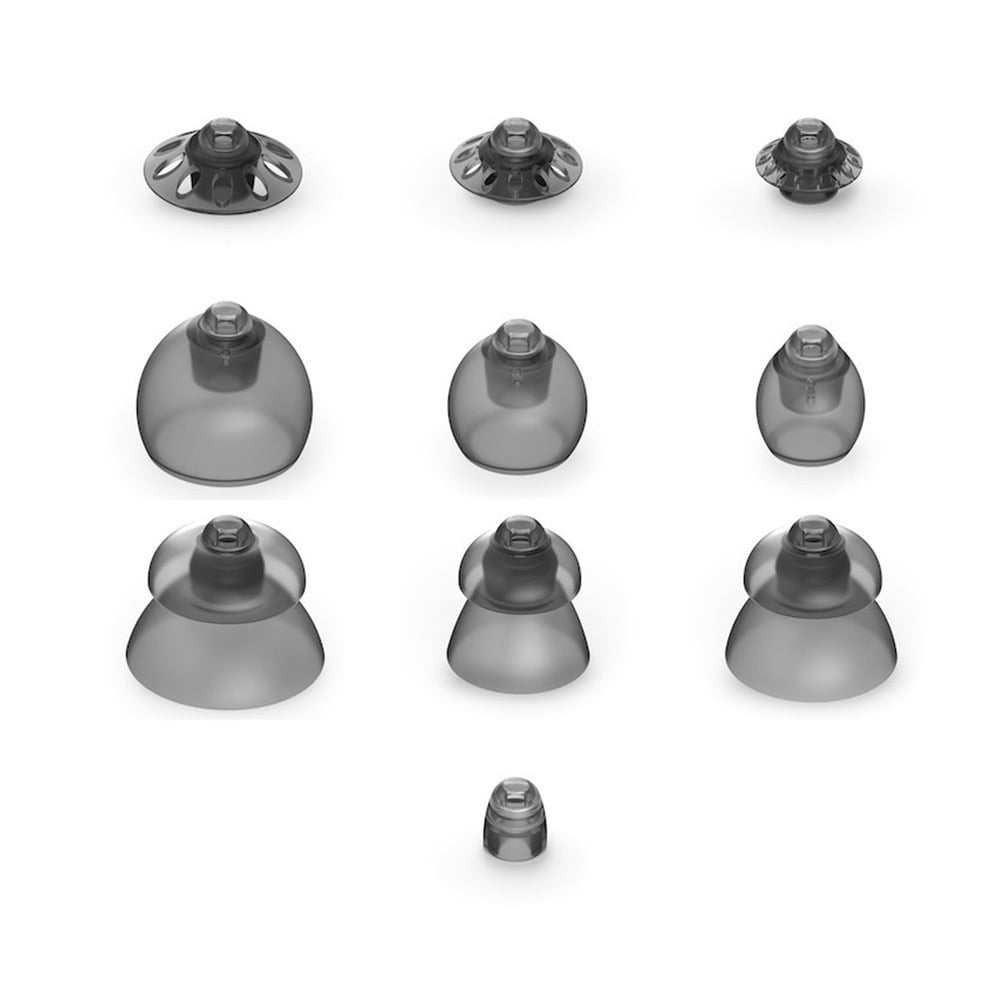
Hearing aid domes are the soft silicone tips attached to receiver-in-canal hearing aids, often called RIC hearing aids. Their job is simple but important, they help guide the amplified sound from the hearing aid speaker into your ear canal while also helping the hearing aid stay comfortably in place during everyday wear. Different dome styles exist because hearing loss, ear shape, and listening needs vary from person to person.
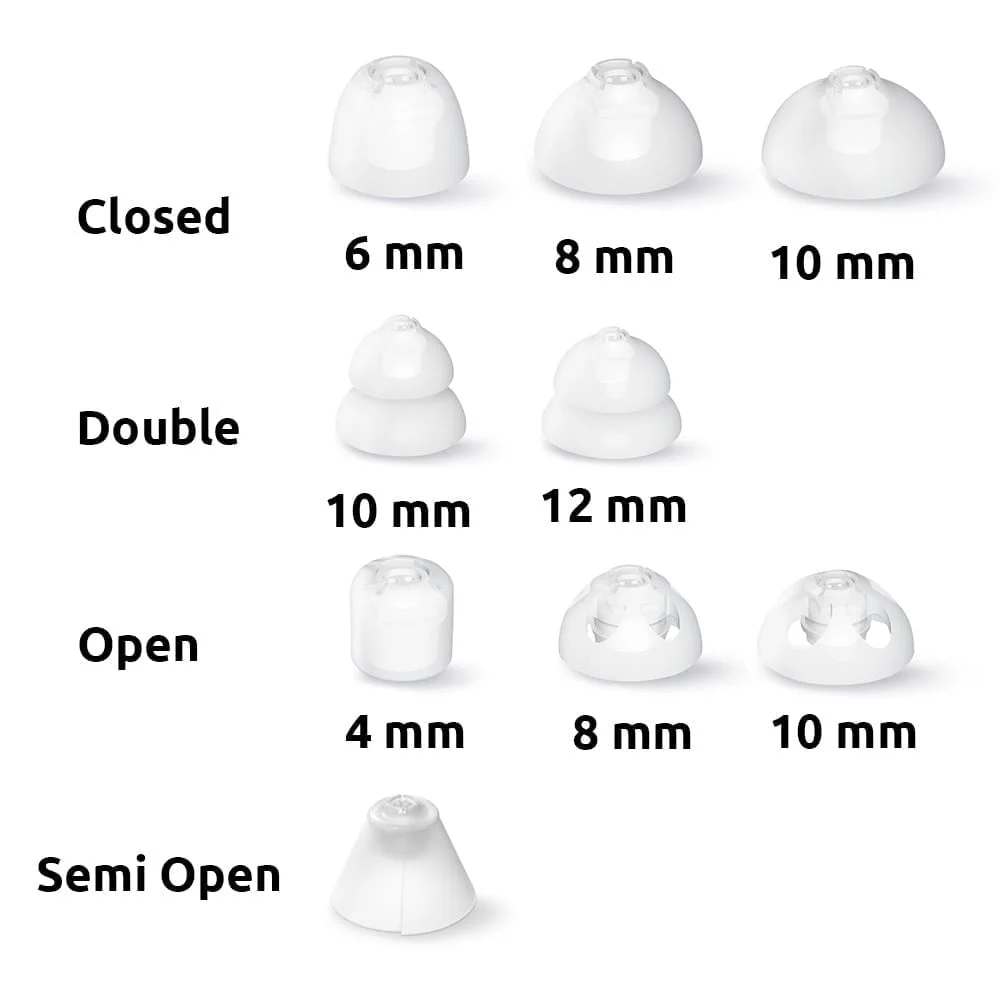
The most common types include open domes, closed domes, power domes, tulip domes. Open domes allow more natural airflow into the ear and are often preferred for mild hearing loss because they feel lighter and less blocked. Closed and power domes create a stronger seal inside the ear canal which helps deliver more amplification and stronger speech clarity for people with moderate or severe hearing loss. Tulip domes sit somewhere in between and are often chosen for a balance of comfort and sound retention. Even though hearing aid domes look small, they play a huge role in daily hearing comfort and overall listening quality.
How Often Should You Change Hearing Aid Domes?
In general, most hearing care professionals recommend replacing hearing aid domes every 1 to 3 months, but honestly, there is no exact timeline that works for everybody because daily habits make a big difference. Someone wearing hearing aids from morning until late evening everyday will usually need replacements sooner than someone wearing them occasionally. People who naturally produce more earwax or spend time in hot and humid environments also tend to go through domes faster.
Moisture and oils slowly weaken the silicone material over time, the domes begin losing their original shape and flexibility, which affects how sound travels into the ear canal. Sometimes the dome becomes loose and starts slipping around slightly, while other times it hardens and feel uncomfortable after long wear. Heavy hearing aid users often notice these changes quicker because the domes are under constant daily pressure. A lot of hearing aid wearers wait too long before replacing them because the deterioration happens slowly rather than overnight. You adapt to the reduced sound quality little by little until one day speech starts sounding dull, the TV volume creeps higher, or background noise becomes harder to manage. Then a fresh pair of hearing aid domes suddenly make everything sound clearer again.
Signs Your Hearing Aid Domes Need Replacing
One of the easiest ways to know your hearing aid domes need replacing is when your hearing aids stop sounding as crisp as they normally do. Speech may feel softer, less sharp, or slightly muffled even when the hearing aids themselves are functioning correctly. Some users also notice increased whistling or feedback because older domes no longer create a proper seal in the ear canal.
Physical signs matter too; hearing aid domes should feel soft and flexible, not dry, stiff, cracked, or stretched out. Over time, they often become discolored by wax and oils, especially if worn daily. If the dome feels loose in your ear or your hearing aid no longer sits securely, replacement usually helps immediately. Ear irritation is another common sign. Worn domes sometimes rub differently inside the ear canal, creating discomfort that many people mistake for sensitivity issues instead of simple wear and tear.
Cleaning only helps to a certain point and once the buildup settles into the material or the silicone starts degrading, replacing the dome becomes a better option rather than repeatedly trying to clean something already worn out.
What Happens If You Do Not Replace Hearing Aid Domes?
Old hearing aid domes do more than look worn, they slowly begin affecting your overall hearing aid performance in ways many do not immediately connect back to the dome itself. Sound delivery becomes less efficient, speech clarity drops, and hearing aids often need to work harder to compensate for blocked or damaged domes. In some situations, worn domes also increase the chance of earwax reaching the hearing aid receiver and cause blockages inside the device itself.
Hygiene matters as well; hearing aid domes collect wax, moisture, bacteria, and skin oils daily. Even with regular cleaning, they are not designed to last forever. Delaying replacement for too long can lead to unpleasant odors, discomfort, or irritation during long periods of wear. Considering how much people invest in hearing aids, replacing domes regularly is one of the easiest and most affordable ways to protect both comfort and hearing quality long term.
Open Domes vs Closed Domes Hearing Aids
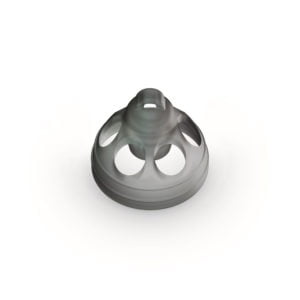
Many hearing aid users are unsure whether they wear open or closed domes, but understanding the difference helps explain why replacement schedules matter. Open domes have small openings that allow natural sound and airflow into the ear canal, which helps prevent the plugged-up sensation some people dislike. These are commonly used for mild hearing loss and people who still hear lower-frequency sounds naturally.
Closed domes create a tighter seal and keep more amplified sound inside the ear canal. They are often used for moderate to severe hearing loss because they improve amplification and speech clarity. Power domes work similarly but provide an even stronger seal for higher amplification needs. Since closed and power domes trap more sound and sit more securely inside the ear canal, wax and moisture buildup often become noticeable faster, making regular replacement even more important.
How to Clean Hearing Aid Domes Properly
A simple daily cleaning routine helps hearing aid domes last longer and keeps sound quality more consistent. Most hearing aid users do not need complicated tools; gently wiping the dome with a dry cloth or tissue each evening removes surface oils and moisture before buildup hardens overnight. Small hearing aid cleaning brushes also help remove visible wax around the openings.
It is important not to soak domes in water unless the manufacturer specifically recommends it, as excess moisture can create additional problems later. After cleaning, hearing aids should be stored somewhere dry overnight, so any trapped moisture evaporates properly. Still, cleaning alone does not stop natural wear. Once the dome starts feeling stiff, stretched, or permanently discolored, replacement is usually the smarter option rather than trying to keep cleaning an aging dome.
Choosing the Right Hearing Aid Dome Replacement
Not all hearing aid domes are universal, which surprises many first-time buyers shopping online. Dome size, shape, and compatibility all affect comfort and performance. A dome that is too small may slip out easily and create feedback problems, while one that is too large may feel uncomfortable or make the ear feel blocked.
Matching the correct dome style also matters because open, closed, and power domes all support hearing differently. Using the wrong replacement sometimes changes how the hearing aid sounds entirely. If you are unsure which dome, you currently wear, checking the existing dome size or speaking with a hearing care provider can help you avoid ordering the wrong replacements. Keeping spare hearing aid domes at home is always a good idea because wear and tear rarely happens at a convenient time.
Why Fresh Hearing Aid Domes Improve Everyday Listening
Many hearing aid users underestimate how much fresh hearing aid domes improve daily listening until they finally replace them. A clean, properly fitted dome helps sound travel more clearly into the ear canal, improves comfort during long wear, and reduces the small frustrations people slowly adapt to over time. Conversations feel easier to follow, hearing aids stay in place better, and feedback often decreases immediately. Something as simple as replacing old domes can make hearing aids feel more comfortable and natural again without changing the hearing aid settings themselves. It is one of the quickest ways to maintain consistent hearing performance without spending a fortune on repairs or adjustments.
Shop Hearing Aid Domes and Accessories Online
Replacing hearing aid domes regularly helps protect your hearing aid performance, comfort, and everyday listening experience. Keeping extra domes nearby means you are never stuck dealing with muffled sound or uncomfortable wear while waiting for replacements to arrive. At Hearing Aid Accessory, we stock a wide range of hearing aid domes and hearing aid accessories designed for compatibility with leading hearing aid brands. Whether you use open domes, closed domes, tulip domes, or power domes, choosing the right replacement helps your hearing aids continue performing the way they were meant to from the start.
FAQs
Q. How long do hearing aid domes last?
Most hearing aid domes last between 1 and 3 months, depending on wear time, earwax levels, moisture exposure, and daily cleaning habits.
Q. Can dirty hearing aid domes affect sound quality?
Yes. Wax and debris buildup often block sound output and reduce speech clarity, making hearing aids sound muffled or weaker than usual.
Q. Are hearing aid domes universal?
No. Hearing aid domes vary by hearing aid brand, receiver type, shape, and size. Always check compatibility before ordering replacements.
Q. What is the difference between open and closed domes?
Open domes allow more airflow and natural sound into the ear canal, while closed domes create a tighter seal for stronger amplification and improved sound retention.
Q. How do I know what size hearing aid dome I need?
Most users replace their domes using the same size and style already attached to their hearing aids. If unsure, your hearing care provider or accessory supplier can help identify the correct fit.
Q. Should I replace hearing aid domes or clean them?
Both are important. Daily cleaning helps maintain performance, but hearing aid domes still need replacing regularly once they become worn, stiff, stretched, or discolored.