

If you have recently started wearing hearing aids, you have likely noticed how quickly the number of accessory options can add up. A simple search for hearing aid accessories brings up dozens of products, from cleaning tools and wax guards to chargers, streamers, and storage systems. For many new users, it feels like stepping into a whole new category you didn’t expect. It is normal to wonder which of these items are truly necessary and which ones are optional. After all, you already invested in your hearing aids, do you really need more? The short answer is yes, but not everything.
The right hearing aid accessories help protect your device, maintain sound clarity, and extend its lifespan. Without proper maintenance and support, even high-quality hearing aids can underperform. Small components like wax guards and domes directly affect how clearly you hear. Cleaning tools and drying systems protect delicate internal parts from damage. This blog focuses on the essentials; we do not recommend unnecessary add-ons. Just a clear explanation of which hearing aid accessories most users genuinely need and why they matter.
Key Takeaways:
What Are Hearing Aid Accessories?
Let’s start with this: hearing aid accessories are the tools, replacement parts, and add-on devices that support the daily use and care of your hearing aids. Your hearing aid is the primary device which is programmed to your hearing loss; the accessories you see will work around it. They help keep it clean, powered, protected and comfortable.
There is an important difference between the core device and its supporting accessories. The hearing aid itself processes and amplifies sound while the accessories maintain performance and improve usability. Without proper maintenance tools or replacement parts, even the best hearing aid can lose clarity or stop functioning properly. The hearing aid accessories improve:
- Comfort, through properly fitting domes and eartips.
- Hygiene, by reducing wax and debris buildup.
- Sound clarity, by protecting microphones and receivers.
- Durability, by preventing moisture and internal damage.
Common categories of hearing aid accessories include:
- Cleaning kits and maintenance tools
- Wax guards and filters
- Replacement domes and eartips
- Batteries and charging systems
- Drying and dehumidifying units
- Connectivity add-ons such as TV streamers
Each category serves a specific purpose; some are essential for nearly every use, while others depend on lifestyle and listening needs. Understanding the role of each helps you make informed decisions without unnecessary purchases.
The Essential Hearing Aid Accessories Most Users Need
Not every accessory is optional, as we mentioned, some hearing aid accessories are part of basic ownership. They protect your hearing aid device, maintain sound quality, and prevent avoidable repairs. So, if you focus on these essentials first, you cover the fundamentals of performance and longevity. Let’s begin:
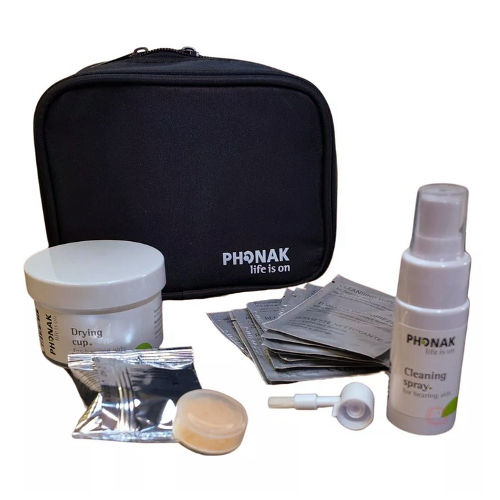
Daily cleaning matters more than many new users realize. Hearing aids sit inside or behind your ear for hours each day, and they tend to collect earwax, skin oils, dust and moisture. Even a small buildup can block microphones or receivers, reducing sound clarity. A basic cleaning kit typically includes the following:
- A small brush to remove debris
- A wax pick or loop tool
- A soft cloth
- Sometimes a vent cleaner
Using these tools takes only a few minutes every day; this small effort reduces the risk of clogged components and distorted sound. Regular cleaning of your hearing aids directly impacts device lifespan. When debris blocks airflow or enters internal components, the device works harder and may fail sooner. The routine maintenance helps avoid unnecessary service visits.
Who needs a cleaning kit most? Almost everyone; if you wear your hearing aids daily, cleaning tools are essential. This is one of the most important hearing aid accessories to own from day one.
Wax guards are small but critical; they sit between your ear canal and the receiver, acting as a barrier that prevents earwax and debris from entering sensitive internal parts. They serve two main purposes: protect the receiver from damage and maintain consistent sound output. So, when wax guards become clogged, you may notice:
- Lower volume in one ear
- Muffled or distorted sound
- Intermittent performance
Many users assume their hearing aid is malfunctioning when the issue is simply a blocked filter. Replacing wax guards regularly keeps the sound clear and prevents costly repairs. The frequency depends on earwax production, but many users change them every few weeks. These are small components, yet they play a major role in protecting sound quality.
Domes and eartips sit directly in your ear canal and help position the hearing aid correctly and guide sound into your ear. The comfort and proper fit of your hearing aids come from these parts. If domes become worn, stiff, or loose, you may experience discomfort, feedback, or whistling, and reduced sound clarity. Over time, domes collect oils and debris; even after cleaning, they will gradually degrade. For hygiene reasons, regular replacement is recommended. Mostly users replace domes every one to three months, sometimes even sooner if they show visible wear.
The fresh domes improve both comfort and acoustic performance, and keeping extras on hand is practical and prevents interruption in daily use.
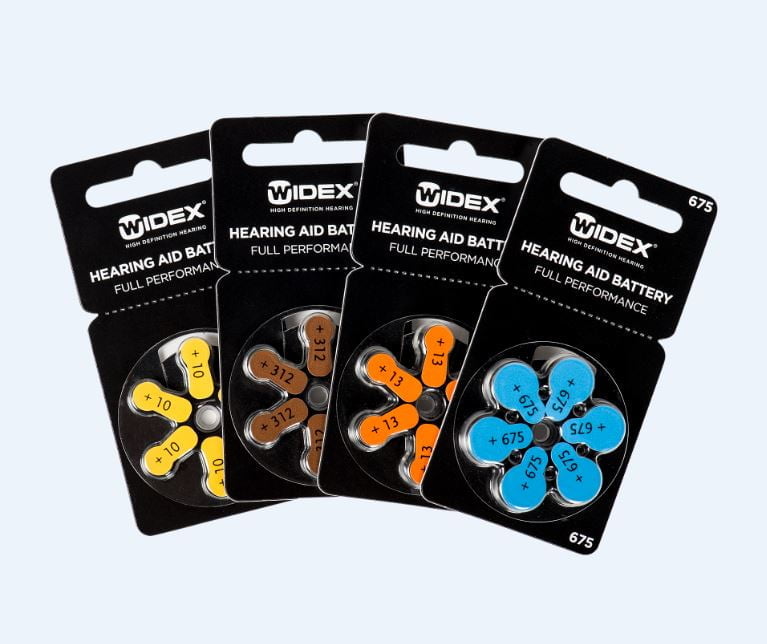
Power reliability is essential, and hearing aids that lose power mid-day disrupt communication and daily activities. If your device uses disposable batteries, you will need: the correct battery size, a steady supply and backup batteries for travel or long days. The Battery life varies depending on device features and usage. Many disposable batteries last between three and ten days.
If your hearing aids are rechargeable, a dependable charger is critical. Rechargeable models offer convenience, but access to charging matters. Users who travel often benefit from portable charging options. The backup power solutions are also important. Whether that means spare disposable batteries or an additional charger, planning ahead and preventing disruptions. Among hearing aid accessories, power solutions are fundamental; without power, nothing else will function.
Moisture is one of the most common causes of hearing aid damage; sweat, humidity, rain, and temperature shifts all introduce moisture into small electronic components. Over time, moisture exposure can lead to: internal corrosion, reduced battery performance, and intermittent sound issues. Drying and dehumidifying systems remove trapped moisture overnight. They range from simple drying containers to electronic drying units. Are you wondering who will benefit the most? Well, it is for active individuals, those who perspire heavily, people living in humid regions, and users who wear hearing aids all day.
The climate considerations in the US matter; if you are from states with high humidity, such as Florida, Louisiana, and parts of the Southeast, this increases the risk of moisture exposure. Even in drier climates, daily perspiration can affect devices. While not every user needs an advanced drying system, many benefit from at least basic moisture protection. When you invest in hearing aid accessories that protect against moisture, you reduce the risk of premature device failure and maintain consistent performance over time.
How to Choose the Right Hearing Aid Accessories
Choosing hearing aid accessories does not have to be complicated. A few practical steps help you avoid buying the wrong items and ensure your device performs as intended. Starting with hearing aid models, because accessories are not universal. Different brands use different wax guard systems, dome styles, chargers, and battery sizes. So, before purchasing, check: the exact brand name, the model name, and whether your device is rechargeable or battery-powered. This information is usually printed on your hearing aid paperwork or listed in your device settings if connected to an app. Followed by, consider your lifestyle, as your daily routine influences which hearing aid accessories matter the most:
- If you work long hours, backup batteries or a portable charger are important.
- If you exercise regularly, moisture protection and retention accessories may be helpful.
- If you watch a lot of television, connectivity accessories could improve clarity.
Think about the climate, as humidity levels vary widely across the US. In warmer, humid states, moisture management becomes more important. Even in dry regions, sweat and sudden temperature changes affect small electronic devices. If you live in a humid area or spend time outdoors, drying solutions may offer added protection. Next, review your maintenance habits. If you prefer simple routines, rechargeable devices and easy-to-change filters may reduce daily effort. If you are comfortable with small parts and regular replacement, disposable batteries and manual cleaning tools work well.
Consider replacement frequency, some hearing aid accessories need regular replacement. Keep track of how often you change wax guards or domes and ordering in advance prevents gaps in use. Before buying, always confirm compatibility. Look for clear product descriptions that specify supported models and brands. When in doubt, match the accessory name exactly to your device’s recommended replacement parts.
How Often Should You Replace Hearing Aid Accessories?
Replacement schedules vary, but consistent upkeep prevents performance issues and extends device life.
- Cleaning tool lifespan – Cleaning brushes and tools last several months with regular use. Replace them if bristles bend, tools break, or cleaning becomes less effective.
- Wax guard replacement cycle – Wax guards typically need replacing every few weeks. If you notice reduced volume, muffled sound, or imbalance between ears, check the filter first. Many sound issues are resolved by replacing a clogged wax guard.
- Dome replacement timing – Most users replace domes every 1 to 3 months. Replace sooner if: the dome feels loose, you experience background noise, or the material appears to be discoloured or hardened. Fresh domes improve comfort and maintain proper sound direction.
- Battery replacement frequency – The disposable batteries usually last between three and ten days, depending on usage and device features such as Bluetooth streaming. The rechargeable batteries are designed to last several years, but charging habits affect longevity. If your rechargeable hearing aids no longer hold a full day’s charge, the battery may need professional evaluation.
Signs of wear you should pay attention to are: cracks or tears in domes, reduced sound clarity, frequent power loss, and corrosion near battery compartments. The regular replacement of small hearing aid accessories prevents larger repair costs and keeps performance consistent.
Where to Buy Reliable Hearing Aid Accessories in the US
Quality matters when purchasing hearing aid accessories. When you look for authentic and compatible parts, they help protect your device and maintain sound clarity. Using incompatible or low-quality generic parts carries risks; poorly fitting wax guards or domes can affect comfort and sound delivery, and incorrect chargers or batteries may damage internal components. When buying accessories, look for:
- Clear compatibility information
- Brand-specific product listings
- Accurate model references
- Transparent product descriptions
At Hearing Aid Accessories US, we offer a wide range of compatible accessories across major hearing aid brands. This includes replacement domes, wax guards, chargers, cleaning tools, and power solutions designed to match specific models. Reliable sourcing and clear product guidance reduce guesswork. When accessories are designed for your exact hearing aid model, you maintain performance and protect your investment. Choosing the right supplier is part of maintaining long-term hearing health. Focus on compatibility, authenticity, and clarity in product information before making a purchase.
FAQs
Q. What are the most important hearing aid accessories?
The most important hearing aid accessories are the ones that protect performance and extend device life. For most users, these include: cleaning kits for daily maintenance, wax guards or filters to prevent internal blockages, replacement domes or eartips for comfort and sound delivery, batteries or charging systems for reliable power. Without these essential hearing aid accessories, sound quality can decline and repair risks increase. Start with maintenance and power solutions before considering optional add-ons.
Q. Do I need special cleaning tools for hearing aids?
Absolutely! Hearing aids require specific cleaning tools designed for small electronic components. Standard household tools are not suitable and can damage microphones or receivers. A proper hearing aid cleaning kit usually includes a soft brush and wax removal tool designed for delicate parts. Using the correct tools helps remove debris safely, maintain sound clarity, and reduce long-term repair costs.
Q. How often should I replace wax guards?
Wax guards should typically be replaced every few weeks, depending on earwax production and daily wear time. If you notice: reduced volume, muffled sound, intermittent performance. Check the wax guard first; a clogged filter is one of the most common causes of sound issues in hearing aids. Regular replacement helps protect internal components and maintain consistent performance.
Q. Are generic hearing aid accessories safe?
Not all generic hearing aid accessories are safe or compatible. Some low-cost alternatives may not fit correctly, which can affect comfort, sound quality, and device protection. Always confirm compatibility with your specific hearing aid brand and model. Using authentic or verified compatible accessories reduces the risk of damage and ensures your device performs as intended.
Q. Do all hearing aids use the same accessories?
No. Hearing aids vary by brand and model, and they often use different wax guard systems, dome styles, chargers, and battery sizes. Before purchasing hearing aid accessories, check your exact device model to ensure proper compatibility. Using the correct accessories helps maintain performance, comfort, and durability.