
Over the years, with advancing technology, hearing aids have become one of the most remarkable devices. They reconnect people to conversations, restore their confidence, and make everyday life feel fuller again. But what many people do not realise is that hearing aids don’t work alone.
Behind every clear conversation and comfortable fit is a set of carefully designed accessories doing its important work in the background. Hearing aid accessories might be small, but they play a huge role in sound quality, comfort, hygiene, and the long-term health of your devices.
This blog is here as a complete, easy-to-read manual for anyone who uses hearing aids, whether you are brand new to them or have worn them for years. We will explain what each accessory does, why they matter, how often they should be replaced, and how to choose the right one for your hearing aids.
At Hearing Aid Accessory USA, our goal is simple: to make hearing aid care easier, clearer, and stress-free; all of these so your hearing aid works the way they are meant to, each and every single day.
Why Hearing Aid Accessories Matter More Than You Think
When your hearing aids stop performing well, many users assume something is wrong with the device itself. In reality, the issue is often much simpler than we assume.
Blocked wax filters, worn-out domes, moisture exposure, or old batteries can all be the cause of problems such as:
- Muffled or distorted sound
- Whistling or feedback
- Sudden volume drops
- Short battery life
- Intermittent performance
Accessories are not optional add-ons; they are one of the most essential parts of your hearing system. Just like glasses need clean lenses or phones need charging cables, hearing aids rely on their accessories to function properly.
With regular accessory care, you can:
- Maintain clear, consistent sound.
- Prevent avoidable repairs.
- Extend the lifespan of your hearing aids.
- Stay comfortable throughout the day.
- Protect your investment.
Small habits,like changing a wax filter or using a dryer overnight, can make a noticeable difference in how your hearing aids perform in the long run.
Hearing Aid Batteries & Power Solutions
Power is the foundation of hearing aid performance. Without reliable power or a battery, even the most advanced hearing aids will not deliver the clarity they are designed for.
Disposable Hearing Aid Batteries
Disposable batteries remain widely used across the USA and are available in four standard sizes:
- Size 10
- Size 312
- Size 13
- Size 675
Each size is colour-coded to make identification easier and is designed for specific hearing aid styles that you are using.
How long do hearing aid batteries last?
When you learn about hearing aids battery you will learn that the battery life varies depending on:
- The power level of your hearing aids
- Daily wearing time
- Bluetooth streaming usage
- Environmental factors like humidity
However, on an average:
- Size 10 batteries last 3–5 days
- Size 312 batteries last 4–7 days
- Size 13 batteries last 7–10 days
- Size 675 batteries last 9–14 days
To get the most from disposable batteries:
- Store them in a cool, dry place.
- Remove the tab just before use.
- Let the battery “air up” for a minute before inserting.
It is known that fresh, high-quality batteries provide more consistent performance and fewer dropouts.
![[OFFER] Rayovac Batteries - 10 for £14.50](https://www.hearingaidaccessory.com/wp-content/uploads/2019/10/Dist-PerformancePartnerSq.png)
Rechargeable Hearing Aid Batteries
Rechargeable hearing aids have become increasingly popular thanks to their convenience and eco-friendly design.
Instead of changing batteries weekly, users simply place their hearing aids in a charger overnight. A full charge typically provides a full day of hearing, even with streaming. The rechargeable batteries generally last 3–5 years before needing replacement. Good charging habits and moisture protection can help extend their lifespan.
Chargers are more than just power docks; these are accessories that protect battery health and ensure safe charging.
Common charger types fall under the following categories:
- Standard desktop chargers
- Smart chargers with drying or conditioning features
- Portable travel chargers with built-in battery backup
Using the correct charger designed for your hearing aid model is essential. Incompatible chargers can lead to unreliable charging or long-term battery damage.
Hearing Aid Domes Are Small Parts with a Big Impact
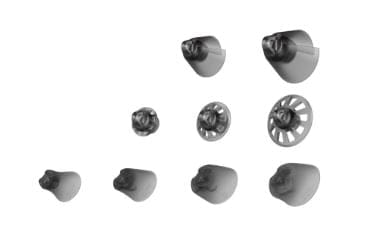
Domes sit at the tip of your hearing aid receiver and rest inside the ear canal. Though small, they have a direct effect on sound quality, comfort, and feedback control.
Different hearing needs require different dome styles:
- Open domes allow natural sound and airflow.
- Closed domes provide better low-frequency amplification.
- Power domes offer maximum sound containment.
- Double domes improve stability and reduce feedback.
- Tulip domes balance comfort and amplification.
The right dome ensures sound reaches your ear clearly and comfortably, without whistling or pressure.
How Often Should You Change Hearing Aid Domes?
Most domes should be replaced every 4–8 weeks. Over time, domes can:
- Harden or lose shape.
- Collect earwax and debris.
- Become loose or uncomfortable.
Worn domes are a common cause of feedback and reduced sound quality. Regular replacement keeps hearing aids comfortable and effective.
Wax Guards & Filters Protect What Matters Most
Earwax is natural and healthy, but it’s one of the biggest threats to hearing aid performance. Wax guards sit inside the receiver and act as a protective barrier, preventing wax from entering sensitive components.
Common Wax Filter Types
Different hearing aids use different filter systems, including:
- CeruShield
- CeruStop
- ProWax
- HF3 / HF4
- NanoCare
Using the correct filter type is essential for proper fit and protection.
When Should Wax Filters Be Replaced?
Wax filters typically need replacing every 2–4 weeks, or sooner if:
- Sound becomes weak or distorted.
- One hearing aid sounds quieter than the other.
- You notice visible wax buildup.
Many “broken” hearing aids simply need a fresh wax filter; replacing it often restores sound instantly.
Cleaning & Hygiene Essentials
Daily cleaning is one of the easiest ways to keep hearing aids working properly.
A basic cleaning routine usually includes:
- Soft brushes for microphones
- Wax loops for removing buildup
- Vent cleaners
- Microfibre cloths
- Multi-tools designed for hearing aids
These tools are designed specifically for delicate components and should always be used instead of household items.
Safe Cleaning Practices
- Clean hearing aids daily.
- Use alcohol-free cleaning sprays.
- Never rinse hearing aids under water.
- Remove batteries or place aids in the charger before cleaning.
Clean hearing aids not only sound better, but they are also more comfortable and hygienic to wear.
Hearing Aid Dryers & Dehumidifiers
Moisture is one of the most common causes of hearing aid failure.
Sources include:
- Sweat
- Humidity
- Rain
- Condensation from body heat
- Electric drying boxes
- UV sanitising dryers
- Desiccant jars
- Portable travel dryers
Using a dryer overnight removes moisture, reduces corrosion, and helps prevent microphone damage.
Dryers are especially recommended for:
- Active users
- Those in humid climates
- Rechargeable hearing aid users
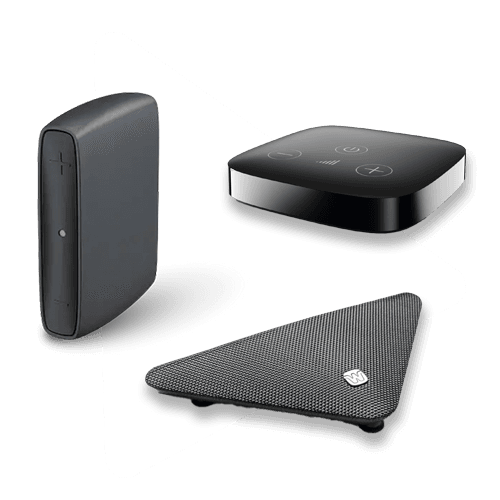
TV Streamers & Wireless Accessories
Wireless accessories connect hearing aids directly to sound sources, improving clarity and reducing listening effort. The benefits of Streaming Accessories are as follows:
- Clearer speech
- Reduced background noise
- Comfortable listening at personal volume levels
Common wireless accessories include:
Correct compatibility is essential; accessories must match your hearing aid brand and model.

Cases, Clips & Everyday Comfort Accessories
Protective and comfort accessories help keep hearing aids safe and secure.
Useful Everyday Accessories
- Hard cases for storage
- Travel pouches
- Retention cords and sports locks
- Hearing aid clips
- Comfort sleeves and stabilisers
These accessories are especially helpful for children, active users, and anyone concerned about loss or slippage.
Building Your Essential Hearing Aid Care Kit
When you build yourself a well-planned and well-prepared hearing aid care kit, it is one of the simplest ways to avoid unnecessary stress, sudden breakdowns, or missed conversations. Hearing aids are worn every day, often for many hours at a time, and they are exposed to earwax, moisture, dust, everyday handling. Having the right accessories on hand means you are never caught off guard when something needs attention.
Think of your self-care hearing kit as everyday hearing insurance. When a battery runs out, a dome loosens, or sound drops suddenly, you can fix the issue immediately rather than waiting days to replace or look for problems. A basic hearing aid care kit must include the following essentials:
Spare Batteries or a Charger
Power is the foundation of reliable hearing. Whether your hearing aids use disposable batteries or rechargeable technology, having a backup option is very important.
For disposable battery users, keeping a spare pack at home and another in a bag or drawer ensures you’re never left without sound. For rechargeable hearing aids, your charger is just as important as the devices themselves. Many users also benefit from a travel charger, especially if they spend time away from home or commute regularly.
Replacement Domes
Domes are one of the most frequently replaced hearing aid accessories. They sit inside the ear canal and are directly exposed to wax, oils, and daily wear.
Keeping spare domes in your care kit allows you to:
- Replace worn or loose domes immediately.
- Maintain comfort and secure fit.
- Prevent feedback and sound leakage.
A fresh dome can instantly restore sound quality and comfort, making it one of the most important items in your kit.
Wax Filters
Wax filters protect the most delicate part of your hearing aid, the receiver. When filters become blocked, sound can weaken or disappear entirely.
Having replacement wax filters on hand means you can quickly solve common issues like muffled sound or sudden volume loss without assuming your hearing aid is faulty. Many users are surprised by how often a simple filter change restores normal performance.
Cleaning Tools
Daily cleaning helps prevent buildup that can shorten your hearing aids’ lifespan. Your care kit should include:
- A soft cleaning brush
- A wax loop or pick
- A microfibre cloth
These tools are designed specifically for hearing aids and allow you to clean microphones, vents, and surfaces safely without damaging sensitive components.
Drying Solution
Moisture is one of the biggest threats to hearing aid reliability. Sweat, humidity, and condensation can all affect performance over time.
Including a drying solution, such as a desiccant jar or an electric drying box, helps remove moisture overnight and protects internal electronics. This is especially important for active users, those living in humid climates, or anyone using rechargeable hearing aids.
Storage Case
A proper storage case protects hearing aids when they’re not being worn. It keeps them safe from dust, accidental damage, and loss.
Using a case consistently also helps establish a routine; your hearing aids always have a “home,” making them easier to locate and better protected when not in use.
Having these essentials on hand ensures your hearing aids are always ready to use, no matter what the day brings.
How Often Should Hearing Aid Accessories Be Replaced?
Even with the best care, hearing aid accessories don’t last forever. They are designed to be replaced regularly, and doing so is a normal part of hearing aid maintenance, not a sign that something is wrong.
Replacing accessories on schedule helps maintain sound quality, comfort, and reliability while reducing the risk of costly repairs. Here are general replacement guidelines to keep in mind:
Batteries: Weekly to Bi-Weekly
Disposable hearing aid batteries should be replaced as soon as performance begins to decline. Waiting too long can lead to intermittent sound or sudden shutdowns. Regular replacement ensures consistent amplification and fewer interruptions.
Rechargeable hearing aid users should monitor charging performance and address issues early if full-day battery life starts to decline.
Domes: Every 1–2 Months
Domes naturally wear out over time. Oils from the skin, earwax, and daily insertion cause them to lose shape and flexibility.
Replacing domes every one to two months helps:
- Maintain comfort.
- Prevent feedback.
- Ensure proper sound delivery.
If a dome feels loose or uncomfortable, or if it affects sound quality, it should be replaced sooner.
Wax Filters: Every 2–4 Weeks
Wax filters should be replaced regularly, even if they don’t look heavily blocked. Small amounts of wax can still affect sound clarity. If you notice muffled sound, reduced volume, or imbalance between hearing aids, changing the wax filter is often the quickest fix.
Dryer Capsules: Every 1–2 Months
For desiccant-based drying systems, moisture-absorbing capsules lose effectiveness over time. Replacing them every one to two months ensures consistent moisture protection. Electric dryers typically require less frequent maintenance but should still be checked regularly for proper operation. Routine replacement keeps hearing aids performing at their best, reduces unexpected issues, and helps preserve long-term device health.
Why Buy Hearing Aid Accessories from Hearing Aid Accessory USA?
Not all hearing aid accessories are created equal; using incorrect or low-quality parts can affect performance, comfort, and even void manufacturer warranties. At Hearing Aid Accessory USA, we focus on providing accessories you can trust.
Genuine, Manufacturer-Approved Products
We stock authentic accessories designed specifically for your hearing aid brand and model. This ensures proper fit, reliable performance, and long-term safety for your devices.
Clear Compatibility Guidance
Choosing the right accessory shouldn’t feel confusing. We provide clear product descriptions and compatibility information to help you select the correct parts with confidence.
Fast Shipping Across the USA
We understand how important hearing aids are to daily life. That’s why we offer fast, reliable shipping across the United States, so you are not left waiting when you need replacements.
Expert Customer Support
Our team understands hearing aid accessories and real-world hearing care needs. If you’re unsure about compatibility or need guidance, help is always available. Our goal is to make hearing aid care simple, reliable, and accessible so you can focus on hearing clearly, not troubleshooting.
Small Accessories, Big Difference
Hearing aid accessories may be small, but their impact is huge and significant for those individuals who use them regularly. With proper care and the right accessories, your hearing aids can deliver clearer sound, better comfort, and longer life.
Taking care of your accessories is taking care of your hearing health over the time. Explore the full range of hearing aid accessories at Hearing Aid Accessory USA and enjoy confidence in every conversation.
FAQs
Q1. What accessories do I really need for hearing aids?
Whether you are new to hearing aids or have been using them for years, there are a few essentials you should always have. At a minimum, this includes batteries or a charger, replacement domes, wax filters, and basic cleaning tools. These accessories help maintain comfort, sound quality, and day-to-day reliability.
Q2. How often should hearing aid accessories be replaced?
Most hearing aid accessories need replacing every few weeks to a few months, depending on use. As a general guide, wax filters are replaced every 1–4 weeks, while domes are usually replaced every 1–2 months. Regular replacement helps prevent sound issues and keeps hearing aids working properly.
Q3. Do accessories really improve sound quality?
Yes. Clean wax filters and well-fitted domes play a big role in sound clarity. Replacing worn or blocked accessories often restores volume, reduces distortion, and improves overall listening comfort.
Q4. Are hearing aid accessories brand-specific?
Most hearing aid accessories are brand- and sometimes model-specific. Always choose accessories that match your hearing aid brand and model to ensure proper fit and reliable performance.
Q5. Do I need a hearing aid dryer?
A hearing aid dryer is strongly recommended if you sweat, live in a humid climate, or use rechargeable hearing aids. Dryers help remove moisture and protect hearing aids from long-term damage.
Q6. Can accessories help hearing aids last longer?
Absolutely. Regularly replacing and maintaining your hearing aid accessories reduces wear on your hearing aids, helps prevent breakdowns, and can extend their lifespan.